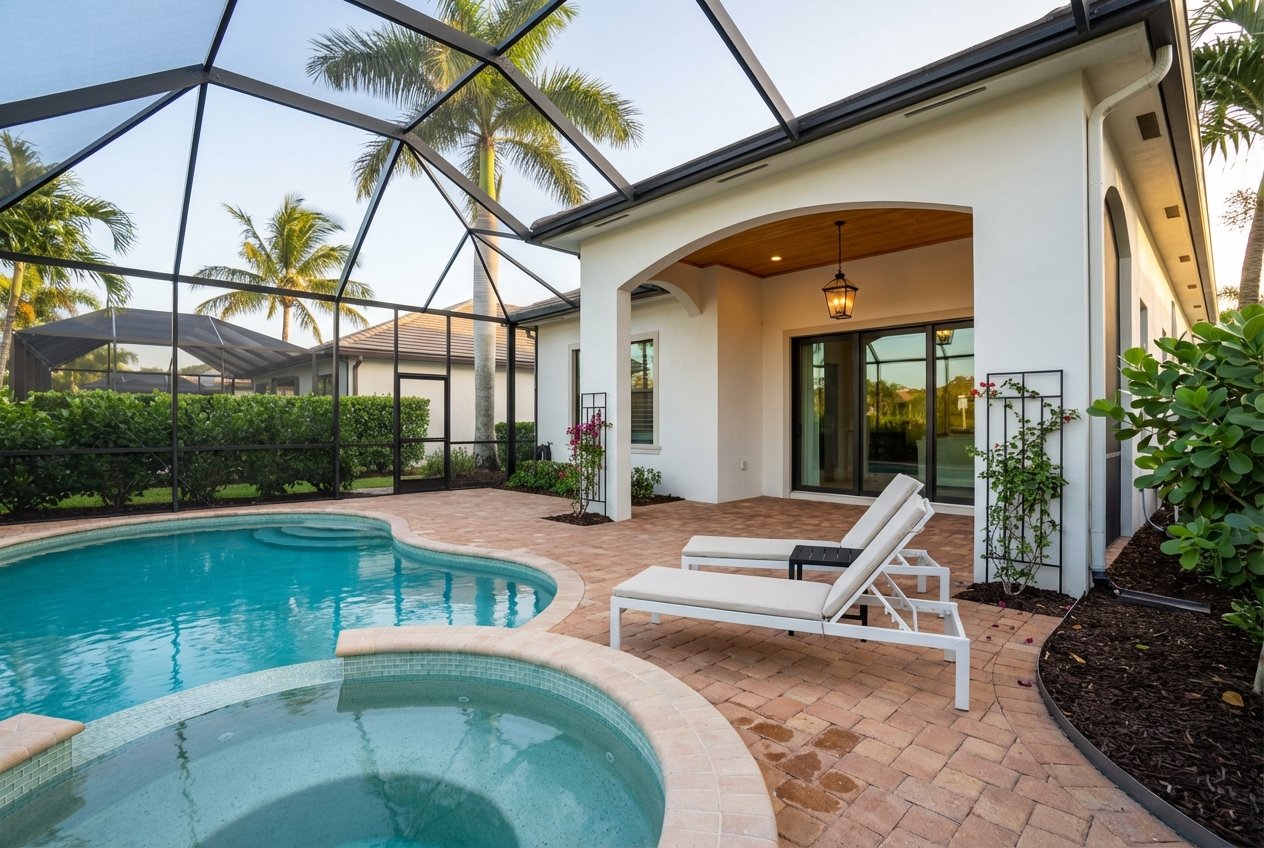
Looking for a near-beach investment that can work as a short-term rental, seasonal rental, or a long-term hold? Naples Park in North Naples offers a blend of location, flexibility, and livability that is hard to match. You might be weighing regulation, carrying costs, and rental potential before you make a move. This guide walks you through what to buy, how rentals work, what to budget, and how to vet a property with confidence. Let’s dive in.
Why investors choose Naples Park
Naples Park sits west of US-41 in North Naples, with a compact grid that runs roughly from 91st to 111th Avenues North. The big draw is proximity to the sand. You are a quick bike or drive to Vanderbilt Beach and Delnor-Wiggins Pass, plus dining and entertainment at Mercato. If beach access is on your must-have list, you are in the right pocket.
Another key reason investors look here is flexibility. Many parts of Naples Park do not have HOA fees or strict HOA rental bans, although specific parcels can have deed restrictions. The area is served by a voluntary neighborhood association, which adds community connection without the constraints of a gated HOA. That combination of location and relative freedom is a core part of the appeal.
Naples Park is often described as a near-beach value compared with the highest-priced beachfront enclaves. It is closer to the Gulf than many inland neighborhoods while giving you more purchase options across different budgets. Because the neighborhood includes older cottages, renovated homes, and new rebuilds, you can match your strategy to the right product type.
Property types and pricing snapshots
Older cottages and renovation plays
You will find many single-story cottages and ranch homes from the 1950s through the 1980s. These properties can be strong candidates if you like value-add projects or want a simpler rental footprint. In recent snapshots, older and smaller homes are often priced from the lower six figures up to around 700 thousand to 1 million dollars, depending on lot position and condition. Always confirm current pricing through the MLS and verify whether the home needs upgrades for wind or flood insurance.
Entry-level luxury and modern rebuilds
Renovated single-family homes with coastal finishes commonly trade in the 1.0 to 1.8 million dollar range in recent snapshots. These are popular with buyers who want a beach lifestyle without going to ultra-premium waterfront prices. Multi-level new-construction rebuilds on premium lots, especially closer to beach access, can reach into the 1.5 to 4 million dollar range. Prices vary by proximity to the Gulf, lot size, elevation, and finish quality.
Read pricing data carefully
Different websites and market pages report different central tendencies, such as median sale, median list, or average price. That means the headline number you see may not match your property’s true market value. Use the MLS for current figures and be sure to note the date and the metric behind any number you quote. Your offer and underwriting should reflect closed comps, not just active listings.
Rental strategies that work in Naples Park
Short-term vacation rentals
Short-term rentals can deliver the highest average daily rates in the winter high season, particularly if your property is close to Vanderbilt Beach and Mercato. This strategy requires more active management and strict compliance with county rules. Professional full-service managers often charge 20 to 30 percent of gross rental revenue, and you should also plan for platform fees, cleaning, and turnover costs.
Mid-term seasonal stays
Seasonal leases of 30 to 90 days appeal to winter visitors who want a simpler monthly structure and a home-like base. This approach can reduce turnover costs and smooth your income across the season. Many owners combine seasonal leases in peak months with some short-term or shoulder-season bookings.
Long-term annual leases
A 12-month lease often brings the lowest operational burden and steadier cash flow. Gross yields may be lower than short-term options, but your vacancy and management complexity also drop. If you prefer a conservative, financing-friendly hold, this is worth a close look.
Rules, registration, and taxes to know
Short-term rental success in Naples Park starts with compliance. Naples Park sits in unincorporated Collier County. Jurisdiction matters, and rules are clear.
County registration for short-term rentals
Collier County requires owners to register short-term vacation rentals under Ordinance No. 2021-45. The process includes an application, naming a designated responsible party who is available 24/7, and placing your county registration number in all advertising. If your property sits inside municipal city limits elsewhere, different rules may apply, so confirm the parcel’s jurisdiction before you buy.
Learn more about the county process on the official short-term rental registration page:
- Visit the Collier County short-term rental registration resource for current forms, requirements, and contacts.
State licensing with DBPR
Depending on use and frequency, many vacation rentals in Florida must also be registered with the Florida Department of Business & Professional Regulation as a Vacation Rental or Transient Public Lodging establishment. Check the DBPR guidance to see how your planned rental pattern fits the state rules.
- Review the DBPR vacation rental licensing overview for the latest guidance.
Taxes on rental income
Collier County levies a Tourist Development Tax of 5 percent on short-term rental stays. You must collect and remit this tax in addition to Florida state sales tax. Some platforms may collect certain taxes for you, but you remain responsible for registration, accurate filings, and ensuring your registration number appears in your advertising.
- See Collier County’s Tourist Development Tax code section for details on the 5 percent rate and obligations.
Zoning and accessory units
Collier County’s Land Development Code includes use and density limits for single-family zones. In many cases, leasing an accessory guesthouse is prohibited, and certain transient patterns can be considered a non-permitted commercial use in single-family areas. Always confirm parcel zoning and permitted uses before you count on short-term income.
- Review Collier County’s Land Development Code section on accessory dwelling and guesthouse rules.
Underwriting and carrying-cost basics
Strong underwriting keeps you from overestimating returns. Build your monthly carrying-cost model using these components:
- Mortgage principal and interest
- Property taxes divided by 12
- Property insurance for wind and hazard, plus flood if required
- Any HOA or master association fees
- Utilities you pay, such as water, sewer, trash, electricity, internet, and pool service
- Property management fees
- Maintenance and capital reserves
- Vacancy allowance that reflects seasonal swings
Quick payment example
As a starting point, assume a 1,000,000 dollar purchase with 20 percent down and an 800,000 dollar loan at a 6.5 percent 30-year fixed rate. The monthly principal and interest would be about 5,056.54 dollars using those inputs. Rates and loan programs change often, so use current lender quotes and lock terms that match your investment horizon.
Estimating property taxes
Millage and exemptions matter in Collier County. Investors typically do not qualify for the homestead exemption, so model without it. If the combined millage is 10 mills, which equals 1.0 percent, a property assessed at 1,000,000 dollars would carry about 10,000 dollars per year in taxes. For current millage context, review county budget materials, then verify the exact figures for your parcel.
- See county millage context discussed in recent budget coverage, and confirm actual levies using your TRIM notice and parcel record.
Insurance and flood risk
Coastal properties can face higher wind and flood insurance costs. Premiums depend on flood zone, first-floor elevation, roof condition, impact windows, and mitigation features. Ask insurers for both NFIP and private flood quotes and request wind coverage quotes that detail mitigation credits. Understanding base flood elevation and how it affects premiums will help you set realistic reserves.
- Learn how base flood elevation impacts flood insurance costs and risk.
Management and seasonality
If you plan to operate a short-term rental, model 20 to 30 percent for full-service management plus platform and cleaning fees. Expect high winter demand from December through April, then softer shoulder months. Many owners use a conservative, base, and optimistic scenario for ADR and occupancy to right-size expectations.
Due diligence checklist for Naples Park
Use this list to vet any Naples Park address before making an offer:
- Confirm jurisdiction. Verify the parcel is in unincorporated Collier County and review the county’s short-term rental registration requirements and advertising rules.
- Verify zoning and permitted uses. Read the Land Development Code on accessory units and transient use limits in single-family areas if you plan to rent.
- Pull flood data and elevation. Order a FEMA flood-zone check and request any Elevation Certificate. If one is missing or outdated, plan for a new survey.
- Validate pricing with closed comps. Review recent MLS sales, not just list prices, to set after-renovation value and rental expectations.
- Request insurance history. Ask for prior premiums, any claims, and post-storm upgrades such as new roofing, elevated equipment, or impact protection.
- Estimate non-homestead taxes. Review TRIM notices and parcel history to project investor-level taxes without exemptions.
- Check covenants. Read plats and any CC&Rs that may add private rental limits on top of county rules. Consult an attorney if anything is unclear.
- Line up registrations and tax accounts. Prepare for county short-term rental registration and, if required, DBPR licensing, plus tourist development and sales tax accounts.
Helpful references:
- Collier County short-term rental registration overview: official steps, responsible party requirements, and advertising rules.
- Florida DBPR vacation rental licensing guidance: determine whether your unit requires state registration.
- Collier County Tourist Development Tax code: countywide 5 percent bed tax for short-term rentals.
- Collier LDC accessory guesthouse rules: understand limits in single-family zoning.
- Millage context and budget coverage: use as background, then confirm parcel-specific levies.
- TRIM and parcel records: verify assessment history, exemptions, and estimated taxes.
How to position your property for top demand
- Lead with location. Highlight bike proximity to Vanderbilt Beach and Mercato in your listing copy and photos.
- Optimize for comfort and durability. Impact windows, a modern roof, and well-planned outdoor space can boost appeal while helping manage insurance and maintenance.
- Keep operations crisp. Clear house rules, parking and trash plans, and reliable cleaning partners matter as much as décor.
- Measure what works. Track ADR, occupancy, and guest feedback by season so you can adjust pricing and marketing.
Who to contact when you are ready
- Collier County Growth Management for registration and zoning questions
- Collier County Property Appraiser resources and TRIM notices for tax estimates
- Florida DBPR for state licensing guidance
- A local insurance agent for wind and flood quotes and mitigation credits
- A local property manager with Naples Park experience for ADR and occupancy modeling
- A licensed surveyor for an Elevation Certificate if needed
Ready to explore opportunities and run the numbers on a specific address? Connect with a local advisor who lives and works in North Naples and understands the lifestyle, rules, and cost drivers that shape returns. For concierge guidance, tailored property searches, and data-backed underwriting support, reach out to Chad Long for a private consultation.
FAQs
Is Naples Park a good area for investment near the beach?
- Yes. Naples Park offers quick access to Vanderbilt Beach and Mercato, a mix of property types, and relative flexibility where many blocks are not governed by an HOA, though deed restrictions can still apply.
Are short-term rentals allowed in Naples Park, Collier County?
- Yes, with compliance. Properties in unincorporated Collier County must register under Ordinance No. 2021-45, name a 24/7 responsible party, and include the county registration number in advertising.
What taxes apply to vacation rentals in Collier County?
- Short-term rentals owe a 5 percent Tourist Development Tax in addition to state sales tax; some platforms collect certain taxes, but owners remain responsible for proper registration and remittance.
Do I need a Florida DBPR license for my Naples Park rental?
- Many vacation rentals require DBPR registration as a Vacation Rental or Transient Public Lodging establishment, depending on use and frequency; review state guidance for your exact setup.
How do I estimate property taxes on a Naples Park investment?
- Use the parcel’s TRIM notice and current millage. As a rough illustration, 10 mills equals 1 percent, so a 1,000,000 dollar assessment would be about 10,000 dollars annually without exemptions.
What insurance should I plan for near the Gulf?
- Budget for homeowners, wind or hurricane coverage, and flood insurance if required; premiums depend on flood zone, elevation, roof, impact protection, and mitigation credits.