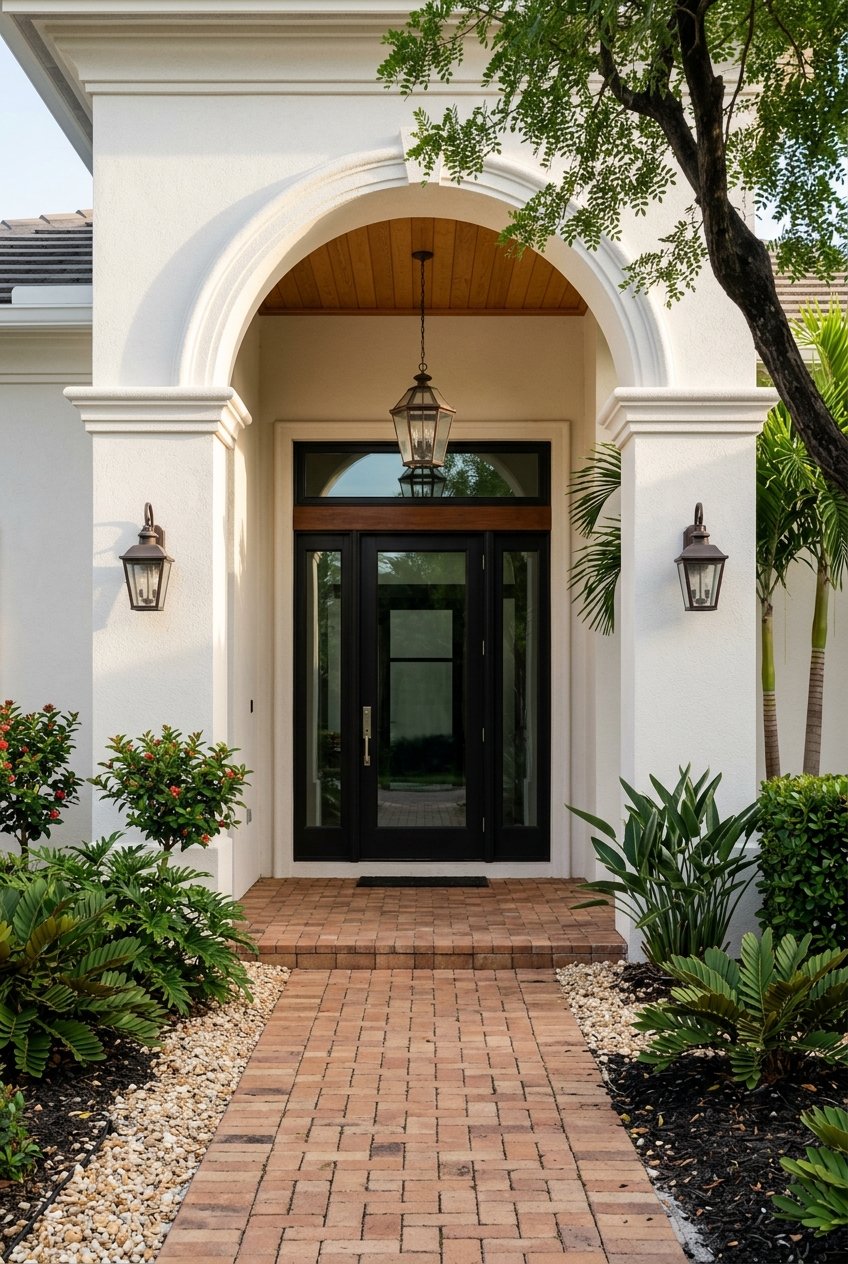
Wondering whether Barefoot Beach is truly a lock-and-leave fit, or just sounds that way on paper? If you are looking for a coastal home you can enjoy for part of the year without taking on the full workload of a standalone property, that question matters. Barefoot Beach offers several features that can make seasonal ownership easier, but the details of ownership, security, maintenance, and club access are important to understand before you buy. Let’s dive in.
What lock-and-leave means here
In Barefoot Beach, lock-and-leave appeal comes down to controlled access, shared maintenance, and a community structure that supports part-time ownership. This is a gated coastal community in Collier County, and HOA materials for the Villas note 24-hour front-gate security along with 24-hour roving patrol.
For many second-home buyers and snowbirds, that kind of setup checks an important box. You want to feel comfortable leaving for weeks or months at a time without worrying that your property sits in an open-access environment.
Why Barefoot Beach appeals to seasonal owners
One of the biggest draws is the overall feel of the community. Community materials describe a more secluded residential setting, with no hotels, restaurants, or businesses directly along the beach itself.
That quieter environment can be a strong match if you want a beach lifestyle without the busier rhythm of a typical coastal corridor. It tends to appeal to buyers who want privacy, predictability, and a true residential atmosphere.
Seasonal ownership is also part of the community rhythm. Southport on the Bay materials state that not everyone lives there full time and that residents reconnect when seasonal owners return, which signals that part-time residency is a familiar pattern within the broader Barefoot Beach area.
Condos vs. villas for low-maintenance living
If your goal is easier ownership, condos and villas are usually the most relevant options to explore in Barefoot Beach. Community real estate materials describe the neighborhood as a mix of villas, condominiums, cottages, and single-family homes, but the condo and villa categories tend to align best with the lock-and-leave lifestyle.
The Barefoot Beach Club condo section includes 12 buildings with 348 units, while the villas include 13 buildings with 50 residences. That gives you a useful sense of scale and also hints at a difference in ownership experience.
Condo ownership in Barefoot Beach
Condos are often the most turnkey choice. Available listing examples show condo sizes generally around 1,600 to 2,266 square feet, though exact layouts and finishes vary.
Florida condominium law helps explain why condos often feel easier to manage from afar. Under state law, maintenance of common elements is the association’s responsibility, and common expenses can include security services. For a buyer who may be away for part of the year, that structure can be a meaningful advantage.
Community materials also note that many condo buildings have hurricane shutters. For absentee owners, that practical feature can make a real difference when you are thinking through storm preparation and peace of mind.
Villa ownership in Barefoot Beach
Villas can make sense if you want more space but still prefer a managed environment. Listing examples place villa sizes generally around 2,200 to 2,800 square feet, again depending on the specific residence.
The Villas on Barefoot Beach HOA describes its role as managing common areas, enforcing rules and covenants, and investing in capital improvements. Its security policy also outlines 24-hour front-gate security, 24-hour roving patrol, guest log-in procedures, pass issuance, and restricted vendor access hours.
That combination can be attractive if you want a more predictable ownership experience. You get more room than many condos, but you still benefit from a structured community framework.
Club access is not automatic
This is one of the most important points for buyers to understand. The Club at Barefoot Beach is separate from home ownership, so you should not assume club access comes with your purchase.
The club describes itself as member-owned and centered on resort-style use, with a private beach, multiple dining outlets, tennis facilities, beachside food and beverage service, a year-round social calendar, and a membership cap of 425. As of June 1, 2026, the club stated that it was temporarily not accepting waitlist applications.
If club lifestyle is a major reason you are considering Barefoot Beach, verify early whether a specific property includes any access rights, whether membership is separate, or whether access may currently be unavailable. That step can prevent a major mismatch between expectation and reality.
What makes Barefoot Beach feel lock-and-leave
A true lock-and-leave community is not just about being gated. It is about whether the day-to-day ownership model supports your lifestyle when you are in town and when you are away.
In Barefoot Beach, the strongest lock-and-leave features include:
- 24-hour front-gate security in the Villas
- 24-hour roving patrol in the Villas
- Guest access procedures and pass controls
- Restricted vendor access hours in the Villas
- Association-managed common areas
- Condo ownership structures where common-element maintenance is handled by the association
- Hurricane shutters noted in many condo buildings
- A community culture that is comfortable with seasonal owners
Together, those features create a more managed environment than you would typically get with a standalone beach house.
Where buyers should pause and look closer
Barefoot Beach is not the right fit for everyone. If you want complete independence, minimal HOA rules, or a very simple ownership structure, you may find the community’s policies more hands-on than you prefer.
This is especially true if you plan to lease the property. A Villas HOA rules summary states that leases must be board-approved 10 days before occupancy, which shows why it is so important to review sub-association rules early in your search.
You should also look closely at what is included in any HOA or condo fee, how access works for guests and service providers, and whether the specific building or residence has features that matter to you, such as elevator access or shutters. In a lock-and-leave purchase, these details are not small. They are the difference between a smooth ownership experience and a frustrating one.
Who Barefoot Beach fits best
Barefoot Beach is often a strong fit if you are looking for:
- Beach access in a gated coastal setting
- A second home or seasonal residence
- More security and structure than an open neighborhood offers
- Less exterior maintenance than a standalone house
- A quieter residential setting with a more secluded feel
- Condo or villa ownership that supports easier travel in and out
It may be a weaker fit if you are looking for:
- Zero HOA involvement
- Automatic club access
- Very flexible leasing without approval steps
- The simplest possible ownership model
Smart questions to ask before you buy
Before moving forward on any Barefoot Beach property, it helps to ask practical questions that get to the heart of everyday ownership.
Questions about maintenance and fees
Ask what the HOA or condo fee covers and what remains your responsibility. You want a clear picture of common-area maintenance, security coverage, and any building-specific services.
Questions about club lifestyle
Ask whether club membership is included, separate, transferable, or currently unavailable. Do not rely on general community reputation if club access is important to you.
Questions about access and logistics
Ask how guest entry works, how vendor access is handled, and whether there are restricted service hours. These policies can be very helpful for security, but you should know how they affect your routines.
Questions about storm-readiness features
Ask whether the residence has hurricane shutters and what building-level protections are in place. If you live out of state part of the year, these features carry extra weight.
Questions about leasing rules
Ask whether leasing is allowed, what approval process applies, and how far in advance paperwork must be submitted. Even in a lifestyle-driven beach community, leasing can come with structure.
The bottom line on Barefoot Beach
Barefoot Beach can be an excellent lock-and-leave option if you value a gated setting, a quieter coastal environment, and a more managed ownership experience. For many buyers, the condo and villa options offer the right blend of beach lifestyle, security, and lower day-to-day maintenance.
The key is to go in with clear expectations. Club access may be separate, leasing may involve approvals, and the best fit often comes down to the details of a specific building or sub-association rather than the community name alone.
If you want help comparing Barefoot Beach condos, villas, and other nearby coastal options, Chad Long can help you narrow in on the right lifestyle fit with local insight and a high-touch buying experience.
FAQs
Is Barefoot Beach a good place for a second home in Collier County?
- It can be a strong option for second-home buyers who want a gated coastal setting, structured access, and lower-maintenance condo or villa ownership.
Does buying in Barefoot Beach include Club at Barefoot Beach membership?
- No, club membership is separate from home ownership, and buyers should verify availability and terms before assuming access is included.
Are Barefoot Beach condos easier to maintain than single-family homes?
- In many cases, yes, because Florida condominium law places maintenance of common elements with the association, which can support a more turnkey ownership experience.
Are the Villas on Barefoot Beach good for lock-and-leave living?
- They can be, especially for buyers who want more space along with 24-hour gate security, roving patrol, and an HOA-managed environment.
Can you lease a property in Barefoot Beach?
- Leasing rules depend on the sub-association, and Villas materials state that leases must be board-approved 10 days before occupancy.
What should you verify before buying in Barefoot Beach?
- You should confirm what the fees cover, whether club access is separate, how guest and vendor entry works, whether the residence has shutters, and what leasing rules apply.